
Find the right cuff.
Tap where you're measuring. We'll match the right cuff, sized to the published clinical guidelines.
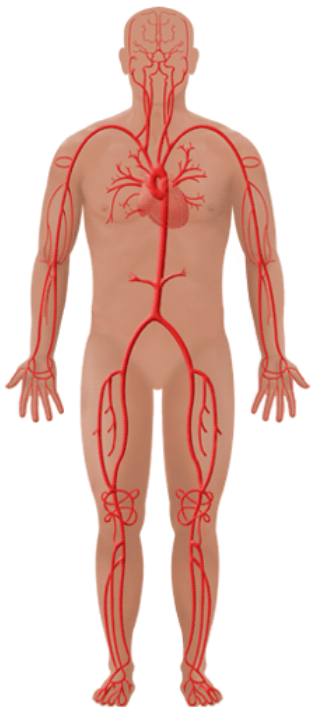
Select a measurement site on the schematic to see the right cuff, live pricing, and why it fits.
Not sure? Measure it.
Wrap a tape around the base of the site and slide to the circumference.
5cm
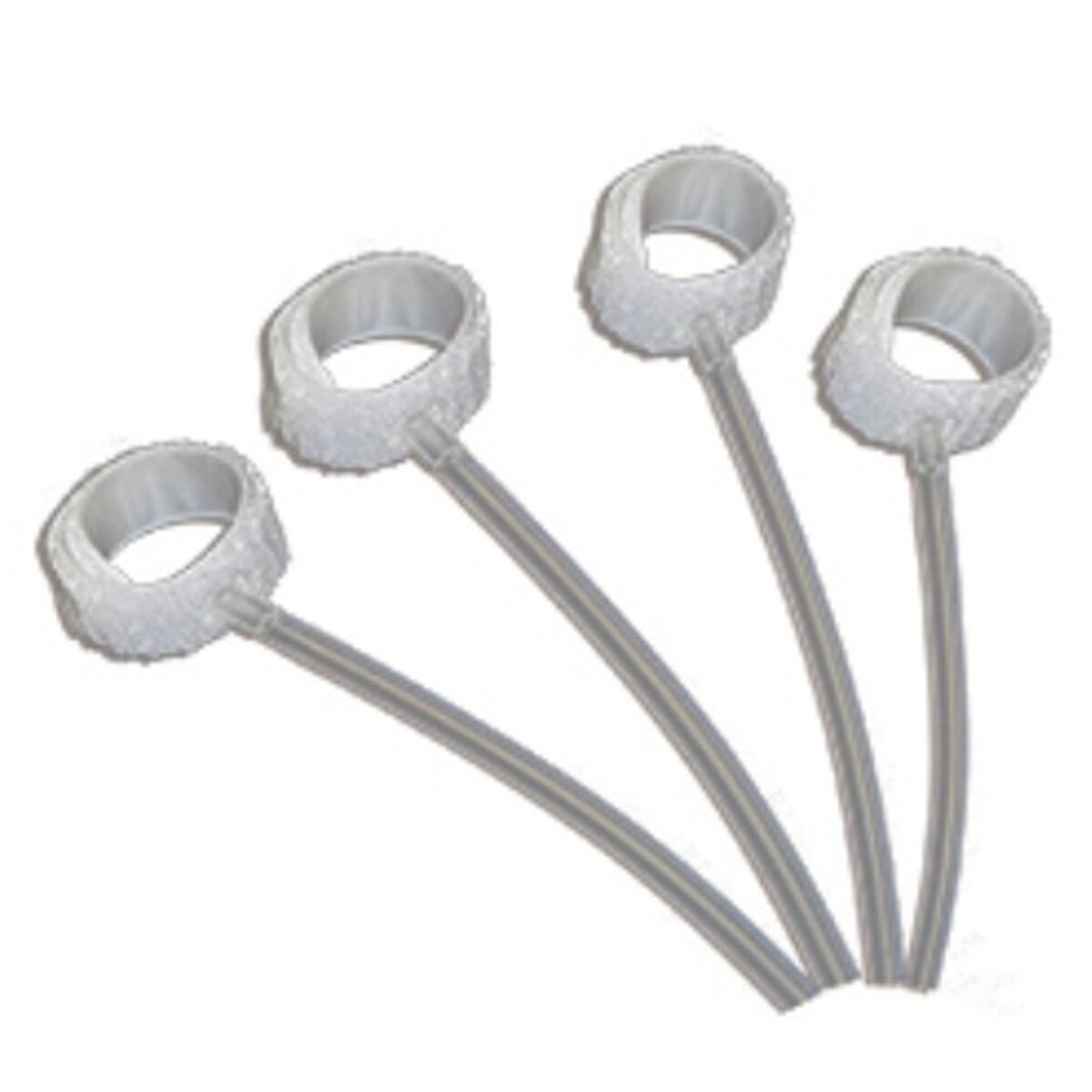
Digit EZ-Care BP Cuff 2.0 x 12cm$30
Small great toes, large lesser toesView in store →
Derived from the published width rules; confirm clinically.
The full lineup
Every VasoGuard cuff, with live pricing from the store.
Digit cuffs · toes and fingers
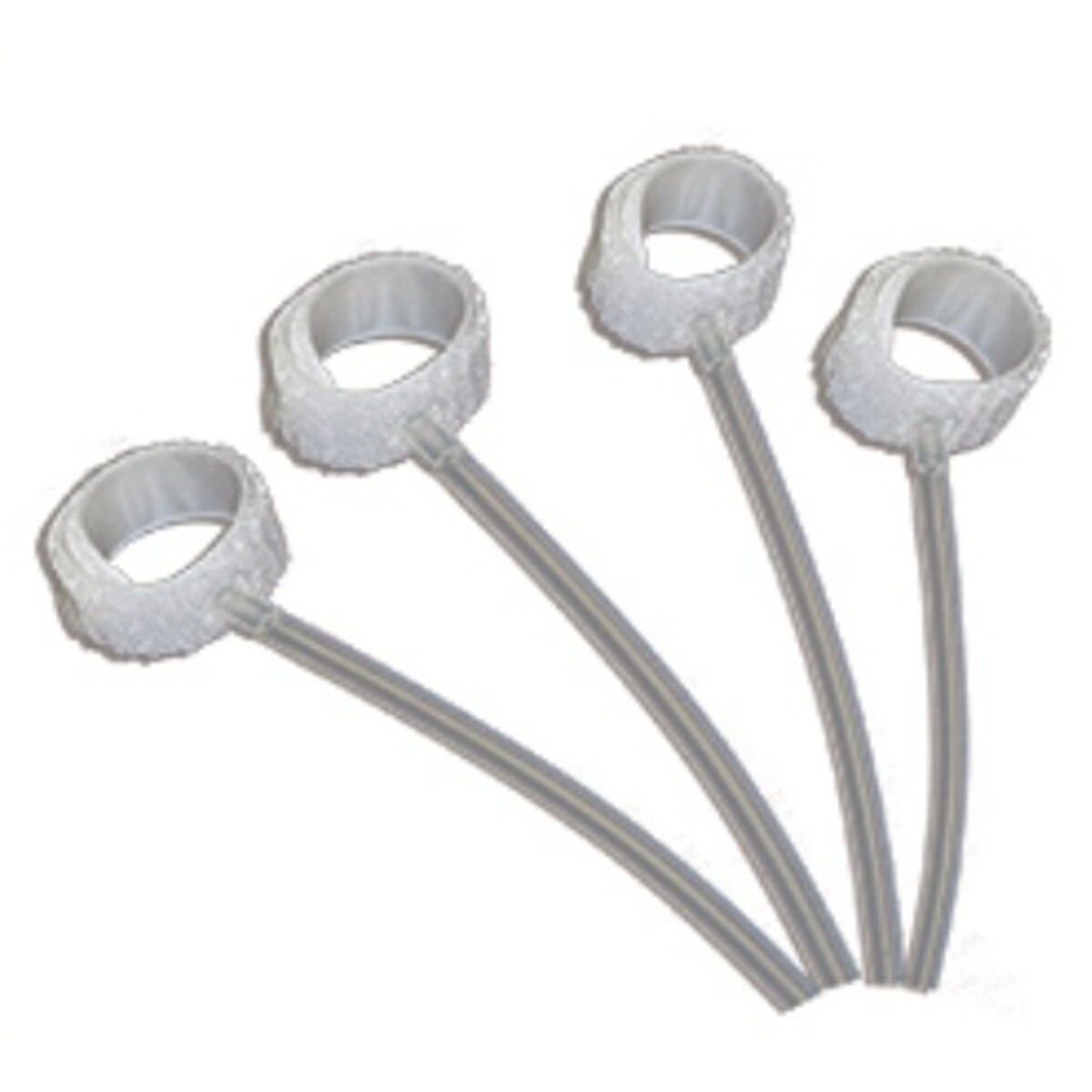
Digit 1.91.9 cm wide
Lesser toes, most fingers
Digit 2.02 cm wide
Small great toes, large lesser toes
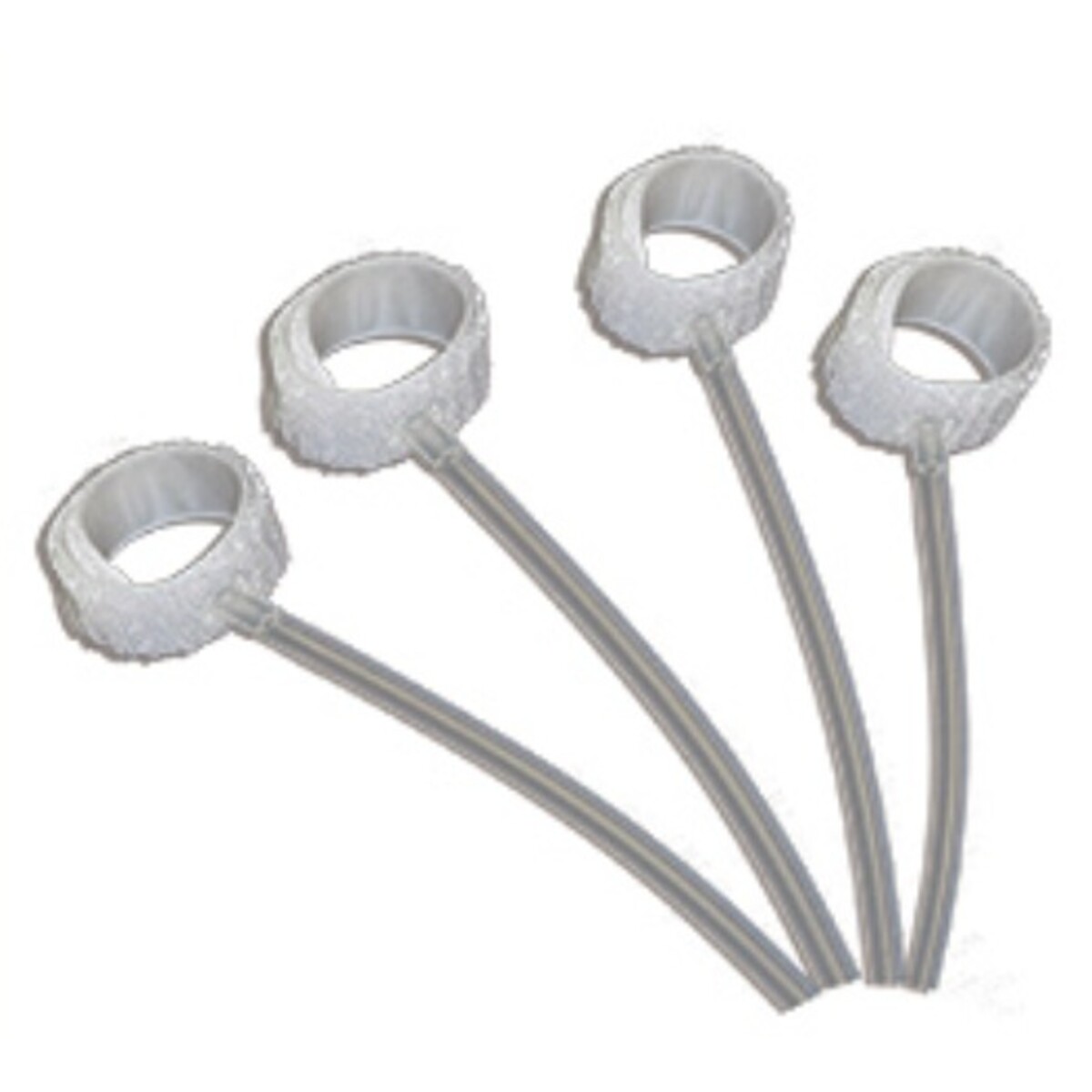
Digit 2.52.5 cm wide
Adult great toe (TBI reporting standard), thumb
Foot
TMC77.5 cm wide
Transmetatarsal / forefoot
Segmental cuffs · arm and leg
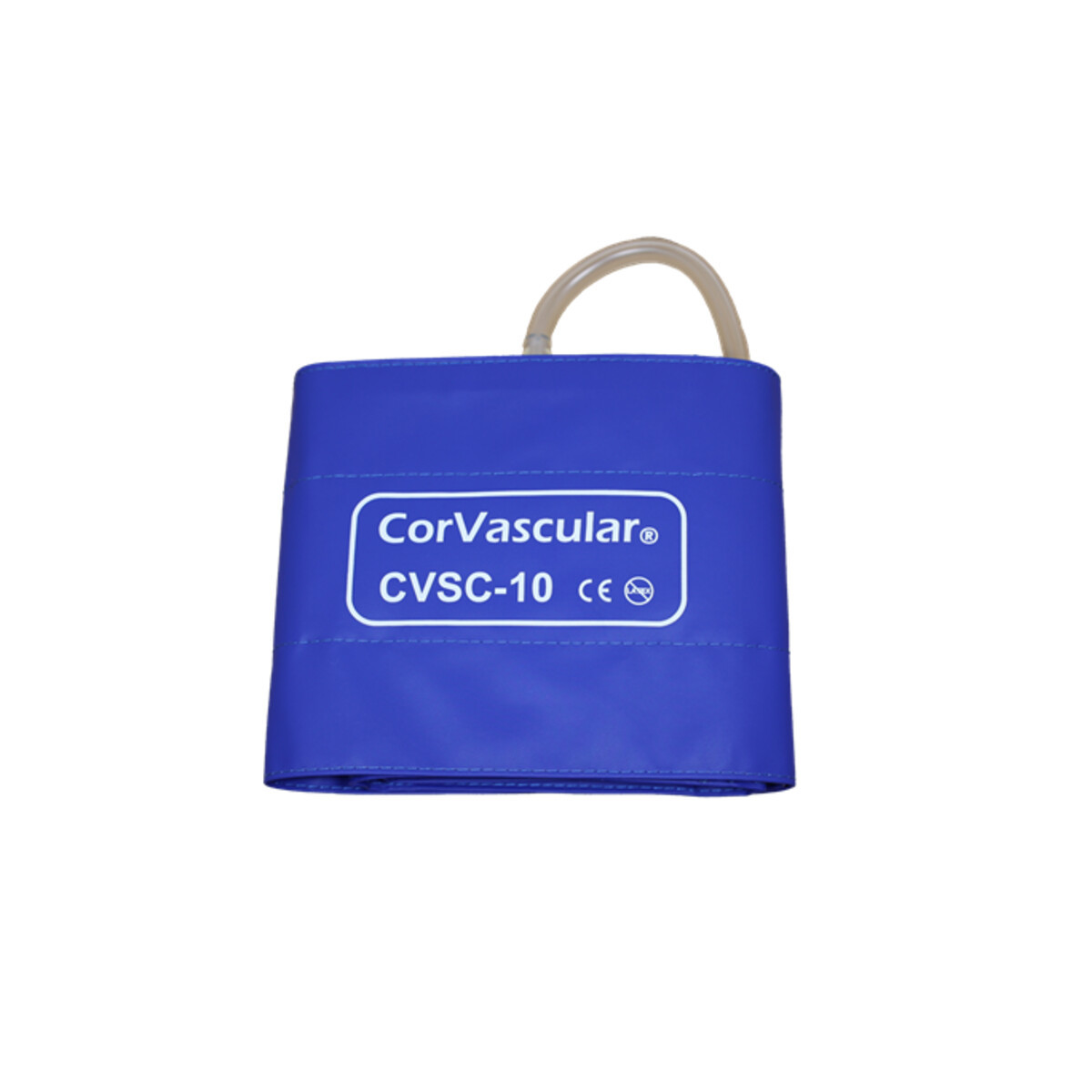
SC1010 cm wide
Average adult arm, ankle, calf
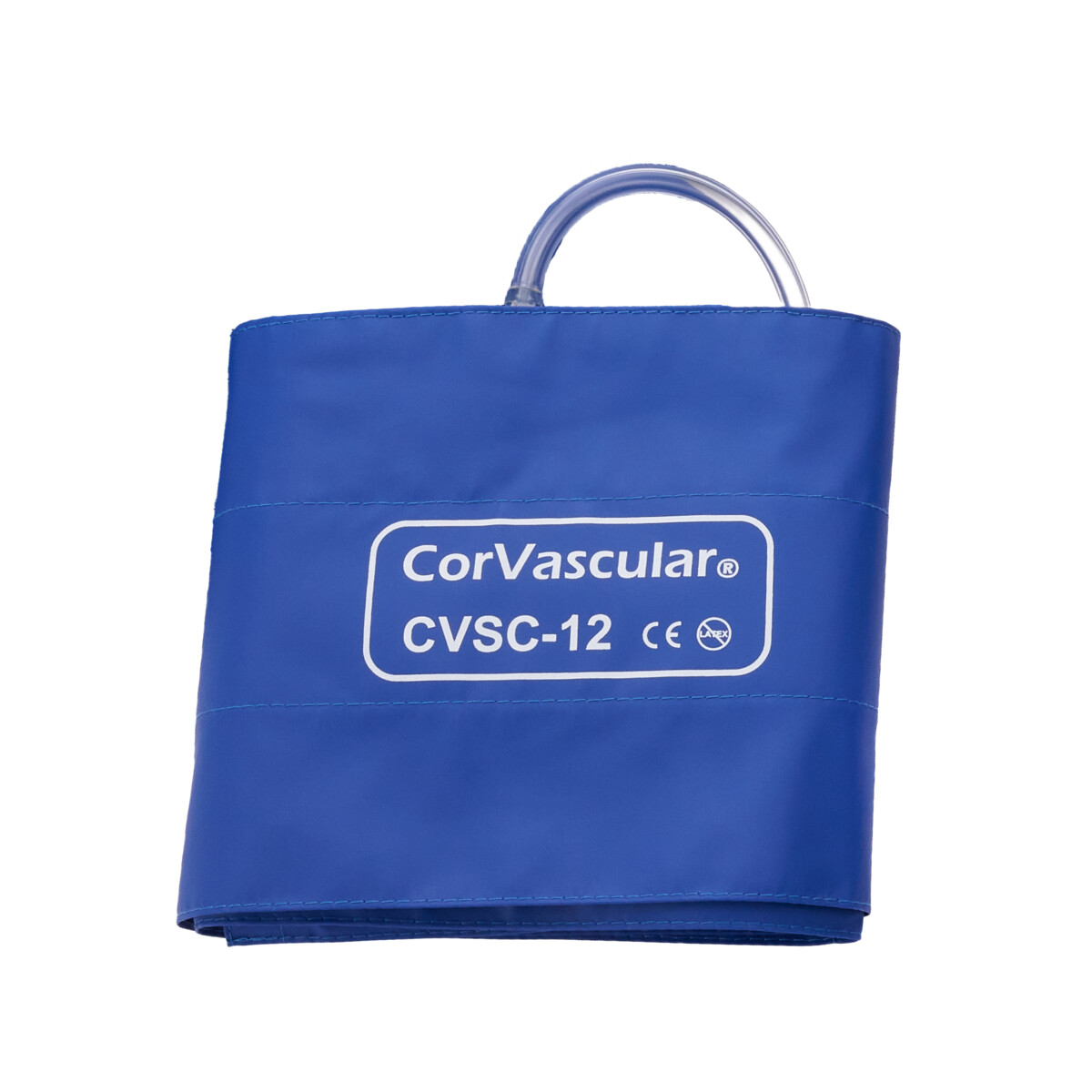
SC1212 cm wide
Larger arm, ankle, calf
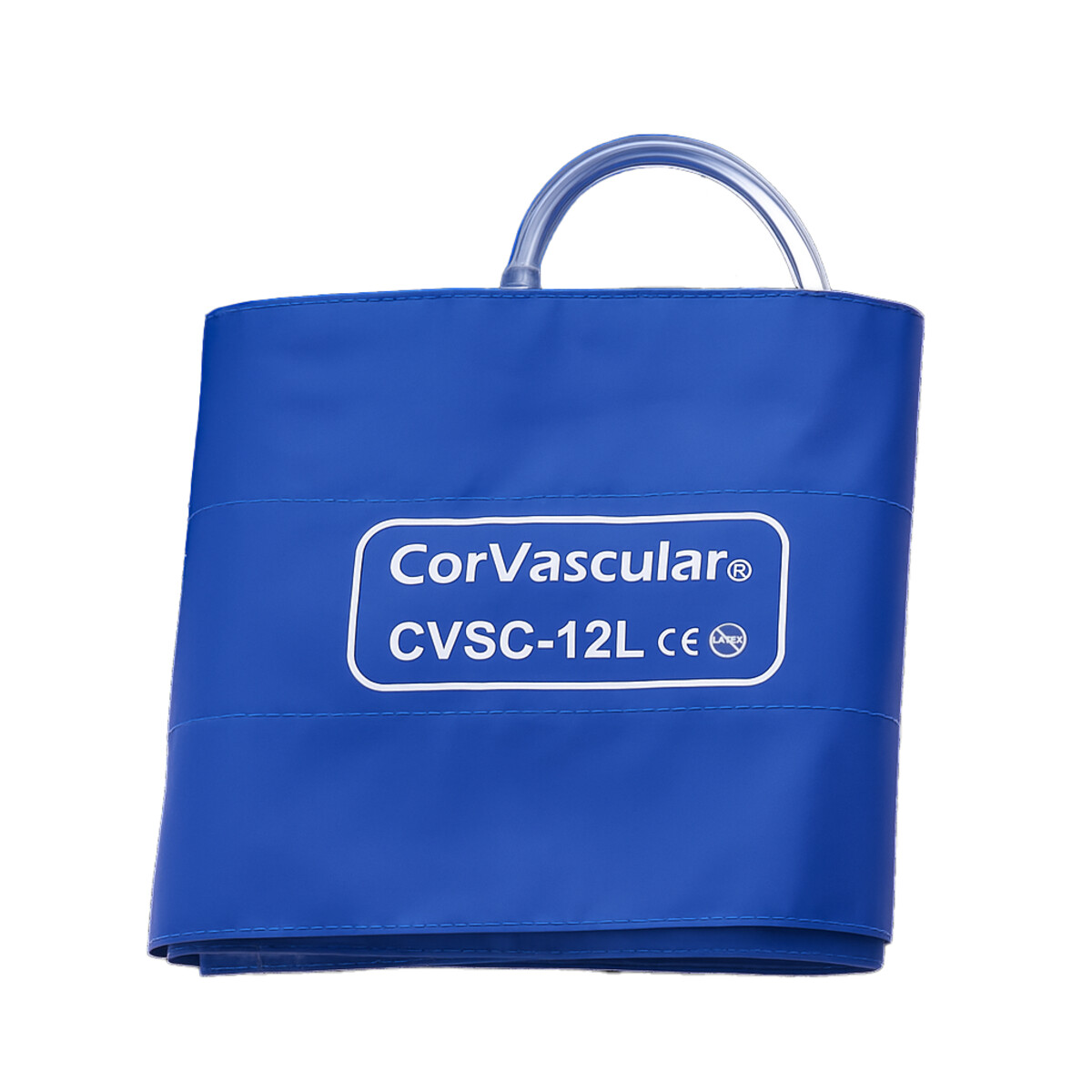
SC12L12 cm wide
Limbs to 30 cm that need a longer wrap
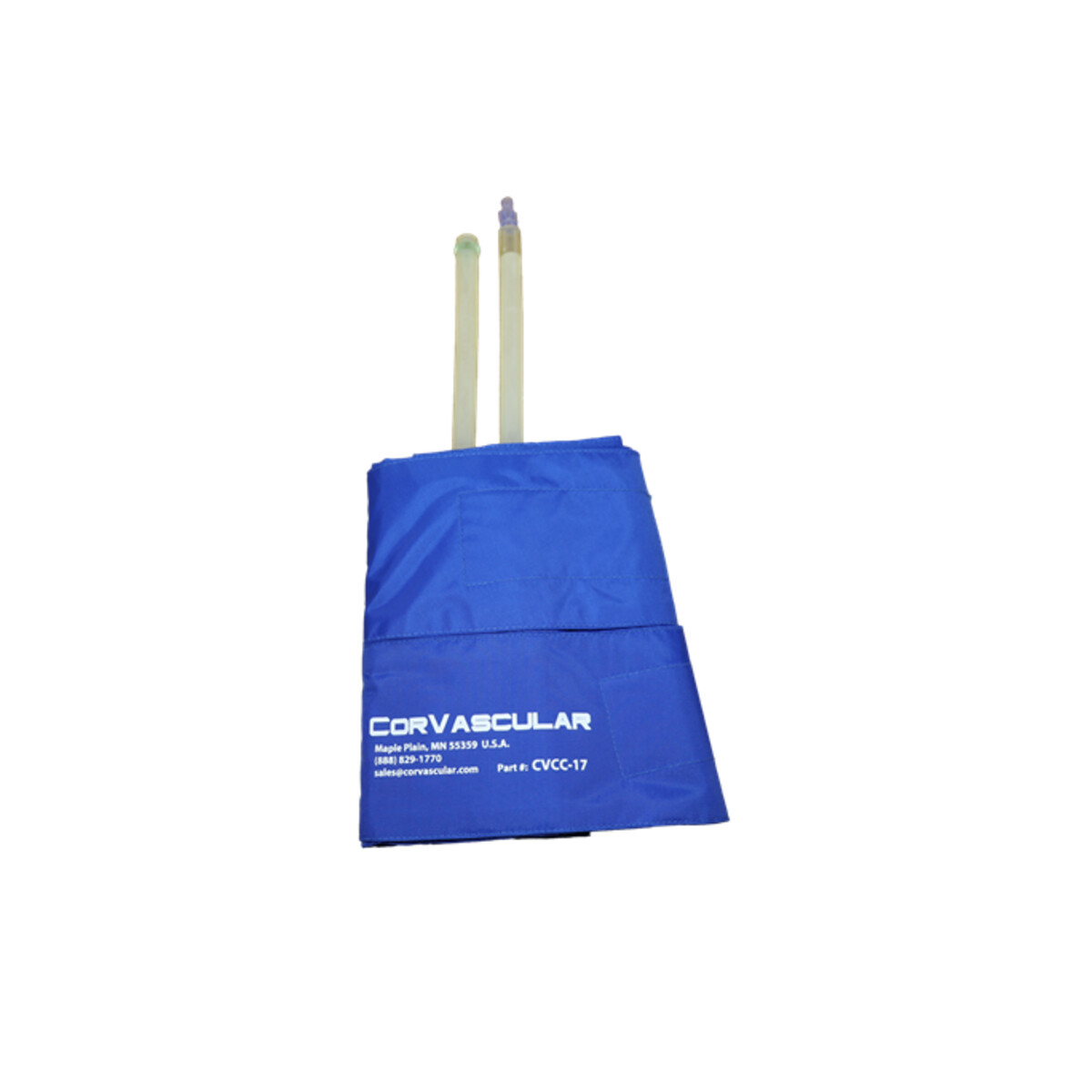
CC1717 cm wide
Thigh
Tourniquet
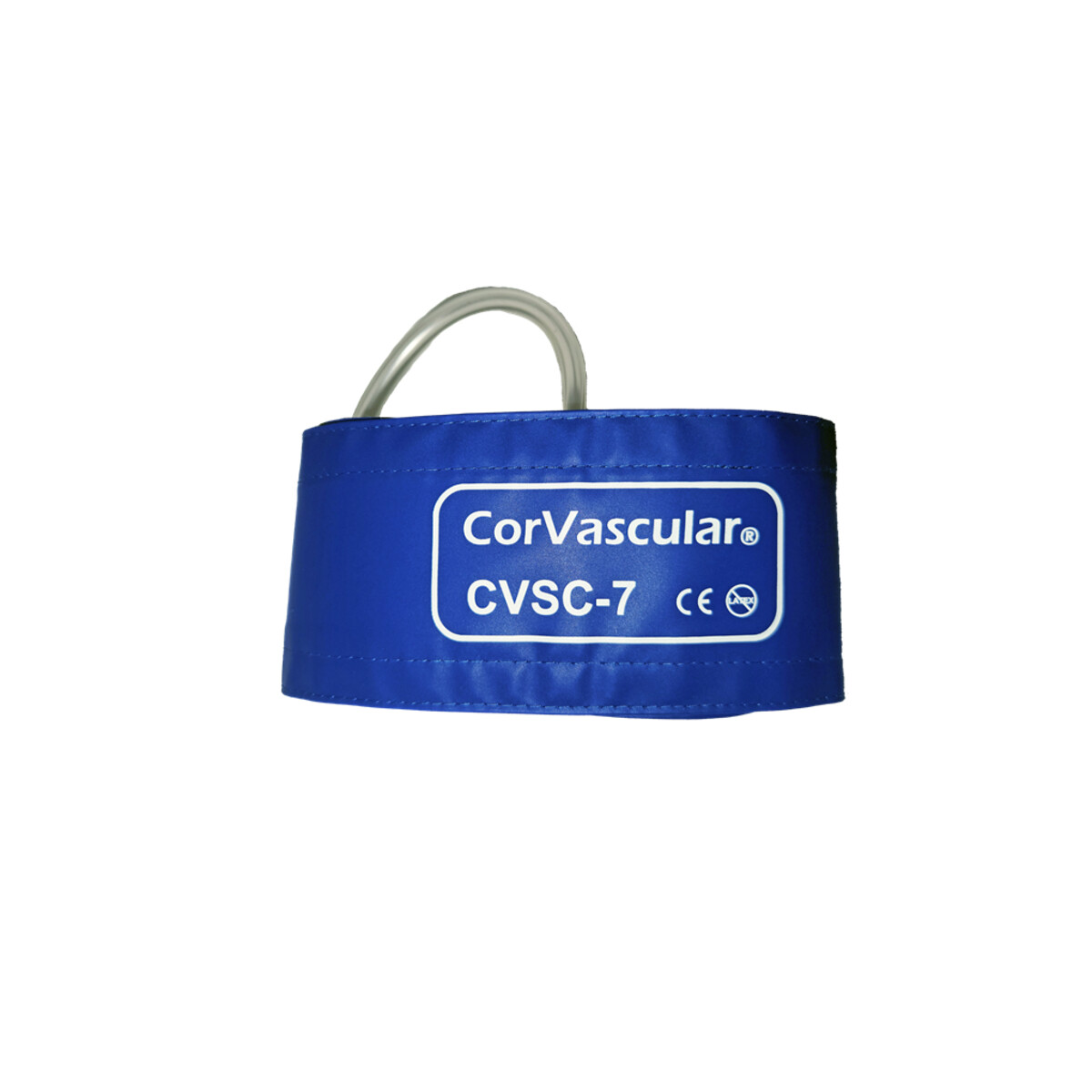
SC7 Tourniquet7 cm wide
Venous reflux tourniquet
Why size matters
+27 mmHg
Mean over-read of true toe pressure with a 1.5 cm cuff on the great toe; the 2.5 cm cuff was within 5 mmHg (Pahlsson, Angiology 2007).
2.5 cm
The proposed standard cuff width for adult great-toe pressure and TBI (Pahlsson 2007; Tehan 2021). Lesser toes and fingers take a narrower cuff.
40%
A limb cuff should be at least 40% of the limb's circumference (AHA), or 20% wider than its diameter (SVU). Too narrow reads high; too wide reads low.
Handle with care
Do not inflate a digit cuff past 250 mmHg; small cuffs can easily burst if overinflated. Technique: once the waveform flattens (typically 150 to 200 mmHg), inflate a further 20 mmHg, then deflate at 2 to 5 mmHg per second. Tehan et al., Wound Practice & Research 2021Sources
Sizing rules from SVU Professional Performance Guidelines (2019) · Tehan et al., Wound Practice & Research 2021 · Pahlsson et al., Angiology 2007 · Aboyans et al., AHA Scientific Statement, Circulation 2012 · Bhamidipaty et al., Eur J Vasc Endovasc Surg 2015. This guide assists cuff selection; it is not medical advice.